
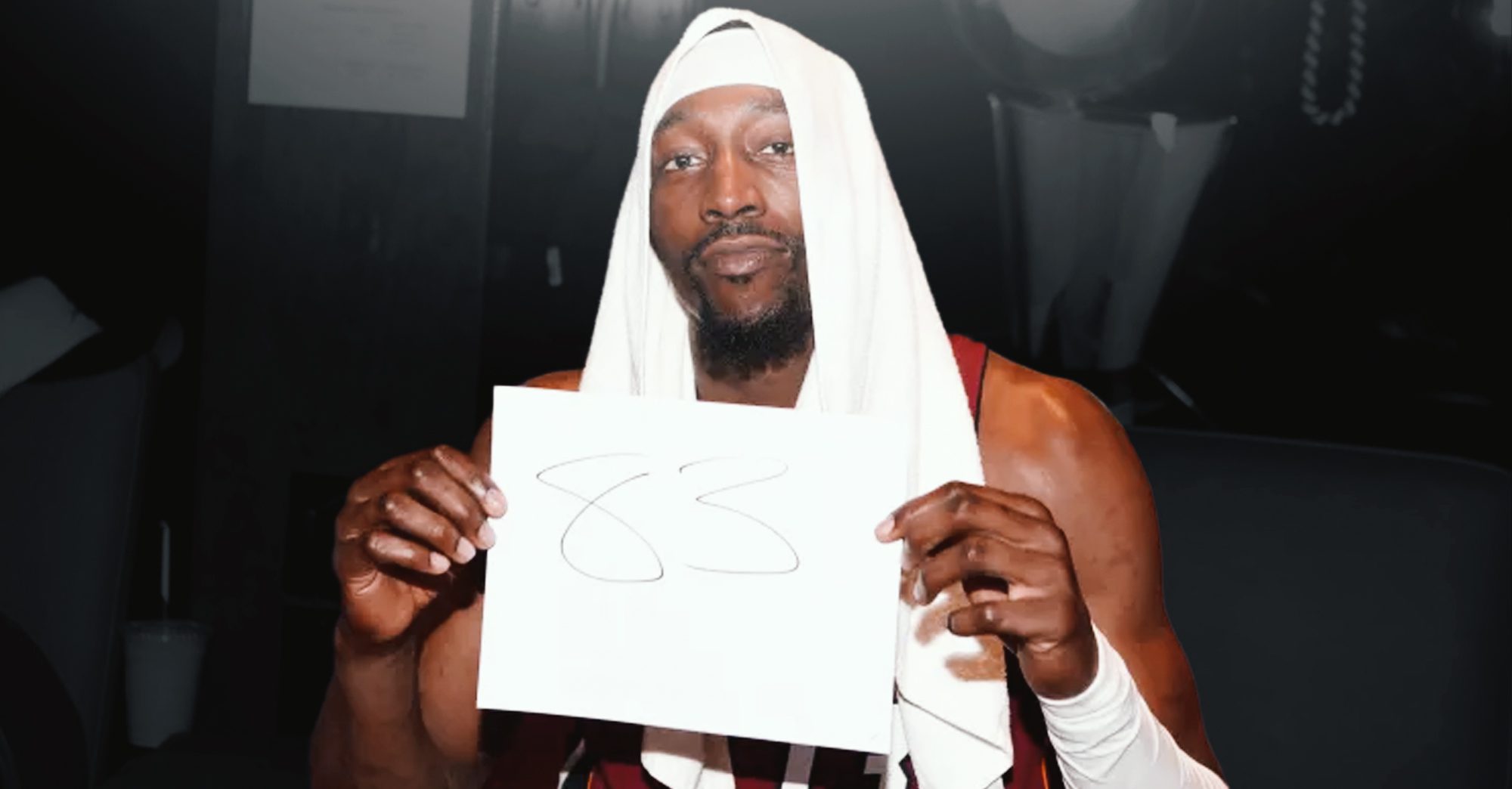
Bam Adebayo delivered one of the most remarkable scoring performances the NBA has ever seen Tuesday night in Miami.
The Miami Heat star erupted for 83 points in a 150–129 win over the Washington Wizards, producing the second-highest scoring game in league history. Only Wilt Chamberlain’s legendary 100-point performance remains ahead of him, while Adebayo surpassed Kobe Bryant’s famous 81-point game.
Inside the arena, the Heat fully embraced the moment.
With Miami leading by 25 points late in the game, head coach Erik Spoelstra even challenged an offensive foul call against Adebayo, despite the outcome already being decided, simply to keep the scoring run alive. The challenge ultimately failed, but the reaction from the bench showed how much the moment meant to the team.
“The thing you love about it, and why everybody roots for Bam, is because he does all the winning things,” Spoelstra said after the game. “He does the things that aren’t recognized. He puts his body out there, he’s available, he is a rugged competitor.”
Adebayo dominated from the start. He scored 31 points in the first quarter, added 12 in the second, then 19 more in the third, entering the final period with 62 points.
Despite the historic performance, not everyone was impressed.
Some critics pointed to the unusual stat line, including 43 field goal attempts, 22 three-point attempts, and an NBA-record 36 free throws on 43 attempts, as evidence that the Heat were deliberately trying to inflate Adebayo’s numbers late in the game.
Former Heat guard Jason Williams joked about the free throw total in a video posted to social media.
“Look, bruh had 83 points. Bruh shot 43 foul shots,” Williams said. “I don’t know if I shot 43 foul shots in one season.”
Washington head coach Brian Keefe also acknowledged the unusual nature of the game’s closing minutes.
“The fourth quarter just turned into not a real basketball game,” Keefe said.
Still, many around the league defended the performance and focused on the historical significance.

READ MORE: Tyrese Maxey Facing Absence After Tendon Injury Diagnosis